Guides · Sanford, Florida
Living in Sanford, FL: What to Know Before You Move
Sanford doesn't do quaint. It does stubborn, adaptive, and urban—a city that lost its first economy to a hard freeze and built a second one from the ground up. That pattern of reinvention is baked into the streets, the districts, and the civic calendar.
Sanford's History: From Citrus to Celery City
The winter of 1894-95 destroyed the citrus crop that had drawn growers to this stretch of Central Florida. The ones who stayed didn't replant oranges—they pivoted to vegetables. By the first decade of the twentieth century, Sanford had become one of the largest vegetable shipping centres in the United States. The crop that carried the city was celery, and the name stuck: Sanford has been known as the Celery City ever since. That agricultural reinvention wasn't a one-off recovery; it set a template for how the city meets disruption—by changing what it does, not by shrinking.
Two Historic Districts, One Urban Spine
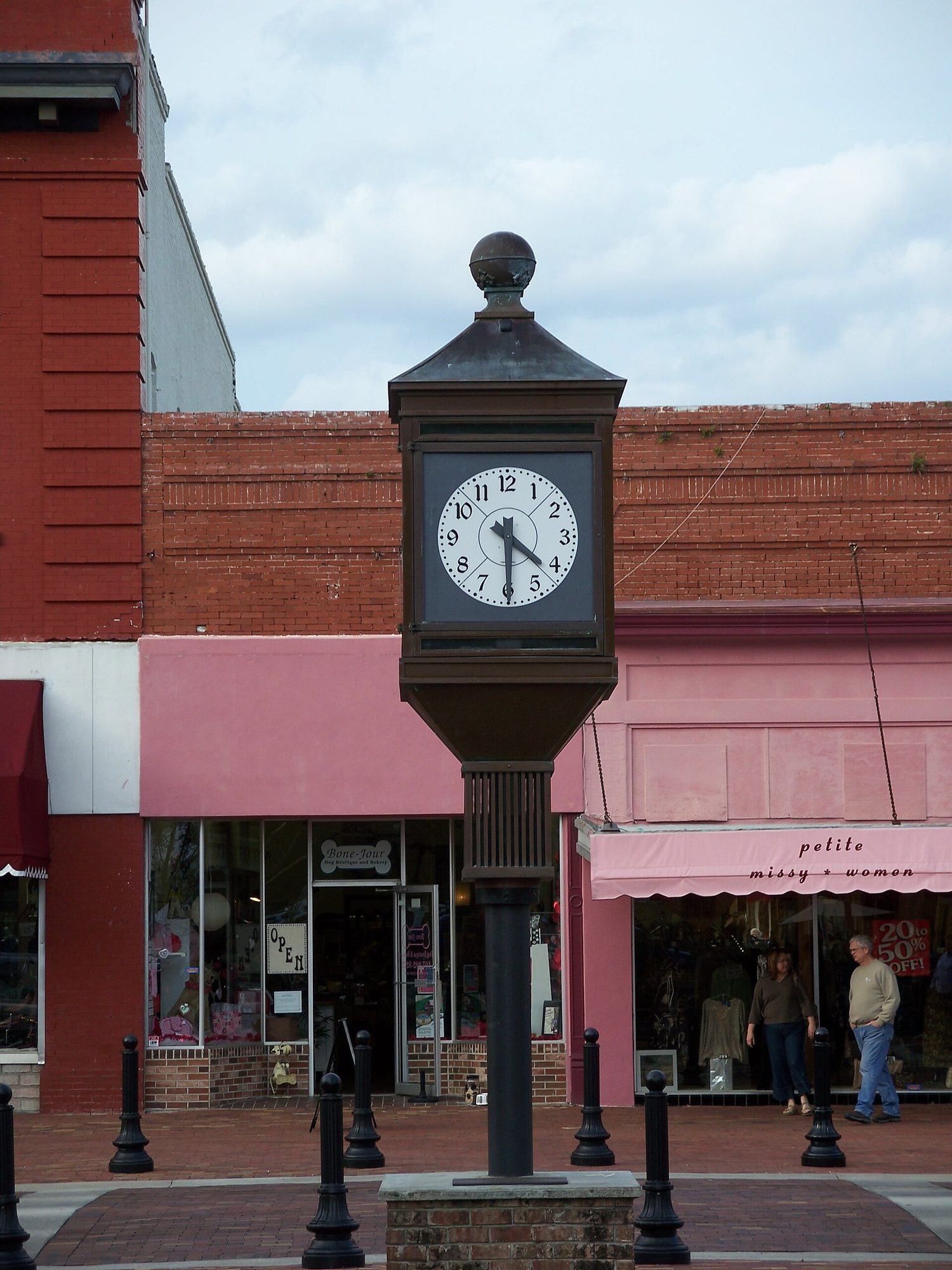
Downtown Sanford is anchored by two historic districts that give the city its walkable, city-like structure. The Commercial Historic District is the urban core—the kind of place where you can spend a morning and an afternoon without touching a car. It's the functional spine of daily life here.
Just north sits Historic Georgetown, one of the city's two historic districts, with a residential character that feels connected to the commercial core rather than separated from it. Together they form a compact, pedestrian-friendly stretch that's rare in Florida—a downtown that isn't a strip mall with a facade, but an actual district with a working history.
Sanford Demographics: Age, Education, and Housing Costs
The census data shows a city that skews younger and more educated than the surrounding region. The median age is 36.8 years—old enough to have a career, young enough to still be building one. A quarter of residents hold a bachelor's degree or higher (26.8 percent), and the unemployment rate sits at 4.5 percent. The median household income is $62,877.
For renters, the math is interesting. The median gross rent is $1,496, which against that income level makes renting a practical choice rather than a stepping stone. The median home value is $272,900, which is real money but not coastal Florida money. The rent-to-income ratio here doesn't force the kind of housing squeeze you see in tighter markets.
Sanford Porchfest: A Free Music Festival in Historic Homes
On the fourth Saturday of February, Sanford Porchfest turns the historic residential downtown into a stage. It's a free grassroots music festival where bands play simultaneously from the porches of houses—no stages, no barriers, just musicians on residential properties and crowds walking between them. The event is run by a 501(c)(3) that funds youth performing-arts programming and fine-art scholarships. It's proof of civic energy that doesn't require a ticket price, and it uses the city's built form—the porches, the sidewalks, the density—as the venue itself. That's not small-town charm; that's urban infrastructure doing double duty.
Day Trips from Sanford: Nearby Towns and Events
Sanford works as a base for exploring the region precisely because it isn't a bedroom community. You can stay put and use the walkable downtown, or you can run out to the surrounding towns for their signature events—and come back to a city that actually has its own thing going on.
| Town / Distance | Signature Event |
|---|---|
| Oviedo (11 miles) | Great Day in the Country |
| Altamonte Springs (12 miles) | Red Hot & Boom |
| Mount Dora (25 miles) | Mount Dora Arts Festival |
| Mount Dora (25 miles) | Mount Dora Craft Fair |
| Clermont (36 miles) | Pig on the Pond |
| Flagler Beach (48 miles) | First Friday |
Sanford's Housing Vacancy Rate: What It Tells You
Out of 26,069 total housing units, 2,047 are vacant. That's not a red flag—it's breathing room. In tighter markets, a vacancy rate near zero means bidding wars and no options. Here, the 7.9 percent vacancy rate gives newcomers actual choices: you can rent without entering a frenzy, you can buy without waiving every contingency, and you can find a place that fits rather than settling for whatever's left. Only 269 units are held for seasonal or recreational use, so this isn't a market dominated by snowbirds and short-term rentals. The housing stock is for people who actually live here.
Sanford is different from other small Florida towns because it never settled for being one. It survived the Seminole Wars of the 1830s as the site of Fort Mellon, got its name from the founder who bought the land in 1870, incorporated in 1877, and absorbed the older settlement of Mellonville six years later. When citrus died, it grew celery. When the celery economy faded, it built an urban core that still functions. The historic districts, the Porchfest crowds, the census numbers—they all point to a city that knows what it is: a place that adapts, keeps its history in use, and doesn't need to be called charming to be worth living in.
Common questions
- Why is Sanford called the Celery City?
- The winter freeze of 1894-95 destroyed the entire citrus crop. Growers who stayed switched to vegetables, and by the early 1900s Sanford became one of the largest vegetable shipping centers in the U.S. Celery, the crop that succeeded where citrus failed, gave the city its nickname.
- What is there to do in downtown Sanford?
- Downtown Sanford is the Commercial Historic District, the most city-like area in the region. It's walkable, with historic buildings and a real urban feel. You can explore the district's shops and restaurants, and in February, catch Sanford Porchfest, a free grassroots music festival with bands playing from house porches across the historic residential downtown.
- Is Sanford a good place for young professionals?
- Yes. The median age is 36.8, and 26.8 percent of residents hold a bachelor's degree or higher. The unemployment rate is 4.5 percent, and the median household income is $62,877. It's a city with a working pulse, not a sleepy suburb.
- What is the housing market like in Sanford?
- The median home value is $272,900, and the median gross rent is $1,496. There are 26,069 total housing units, with 2,047 vacant and only 269 held for seasonal or recreational use. This is a year-round city, not a vacation rental hub.
- What is the history of Sanford?
- Henry Shelton Sanford bought the land west of Mellonville in 1870, and the city incorporated in 1877, annexing Mellonville six years later. During the Seminole Wars of the 1830s, the area was the site of Fort Mellon. The city's name honors its founder, and its history is rooted in citrus, then celery, then urban growth.
- What are the historic districts in Sanford?
- There are two: Historic Georgetown and the Commercial Historic District in downtown. Georgetown is residential, while the Commercial Historic District is the walkable downtown core. Both give the city a sense of place that's more urban than quaint.
Every business named above is one we hold a listing for, and every date traces to a source on our sources page. We do not describe menus, interiors or service we have not verified. Details change — confirm before you travel.