Guides · Sanford, Florida
Sanford by the Numbers: What the Census Says
Sanford’s census numbers tell a story of a working city that rebuilt itself after frost, then kept its edge.
The data says 62,292 people live here. That is not a village. That is a real town with a downtown grid, two historic districts, and a river. The median age is 36.8 years—young enough to start things, old enough to finish them.
The Housing Picture
There are 26,069 housing units in Sanford. Of those, 2,047 sit vacant. That is a vacancy rate just under eight percent, which is not a ghost town and not a boomtown. It is a market with room.
Only 269 units are held for seasonal or recreational use. Think about that number. Less than one percent of the housing stock is vacation property. Sanford is not a beach rental market. People live here. They do not just visit.
The median home value is $272,900. The median gross rent is $1,496. Those two numbers sit close enough that buying beats renting for anyone with a down payment, but renting is not a trap. The gap is not the gulf you see in Miami or Orlando proper.
Who Lives Here
The median age of 36.8 years puts Sanford squarely in the middle of Florida’s working-age population. This is not a retirement town. It is not a college town. It is a city of people who are employed, raising families, or starting over.
The unemployment rate is 4.5 percent. That is below the national average and well below the state’s historical peaks. The median household income is $62,877. That is not wealthy, but it is stable. It is enough to buy a $272,900 house, especially with the rent-to-buy math working in your favor.
Here is the catch: only 26.8 percent of residents hold a bachelor’s degree or higher. That is low for a city with a historic downtown and a creative scene. It means Sanford is not a knowledge-economy town. It is a trades town, a logistics town, a service town. The people who make the city run do not all have diplomas on the wall. They have calluses.
The History Behind the Numbers
You cannot read these figures without knowing what happened here. Henry Shelton Sanford bought the land west of Mellonville in 1870. The city incorporated in 1877 and annexed Mellonville six years later. The name stuck. So did the ambition.
The winter of 1894-95 killed the citrus. The entire crop froze. But the growers who stayed did not leave. They turned to vegetables. By the first decade of the twentieth century, Sanford was one of the largest vegetable shipping centers in the United States.
Celery is what made the name stick. Sanford became the Celery City because celery succeeded where citrus failed. That is the whole story of this town in one crop: the first thing you plant might die, but the second thing can feed a nation.
The Districts
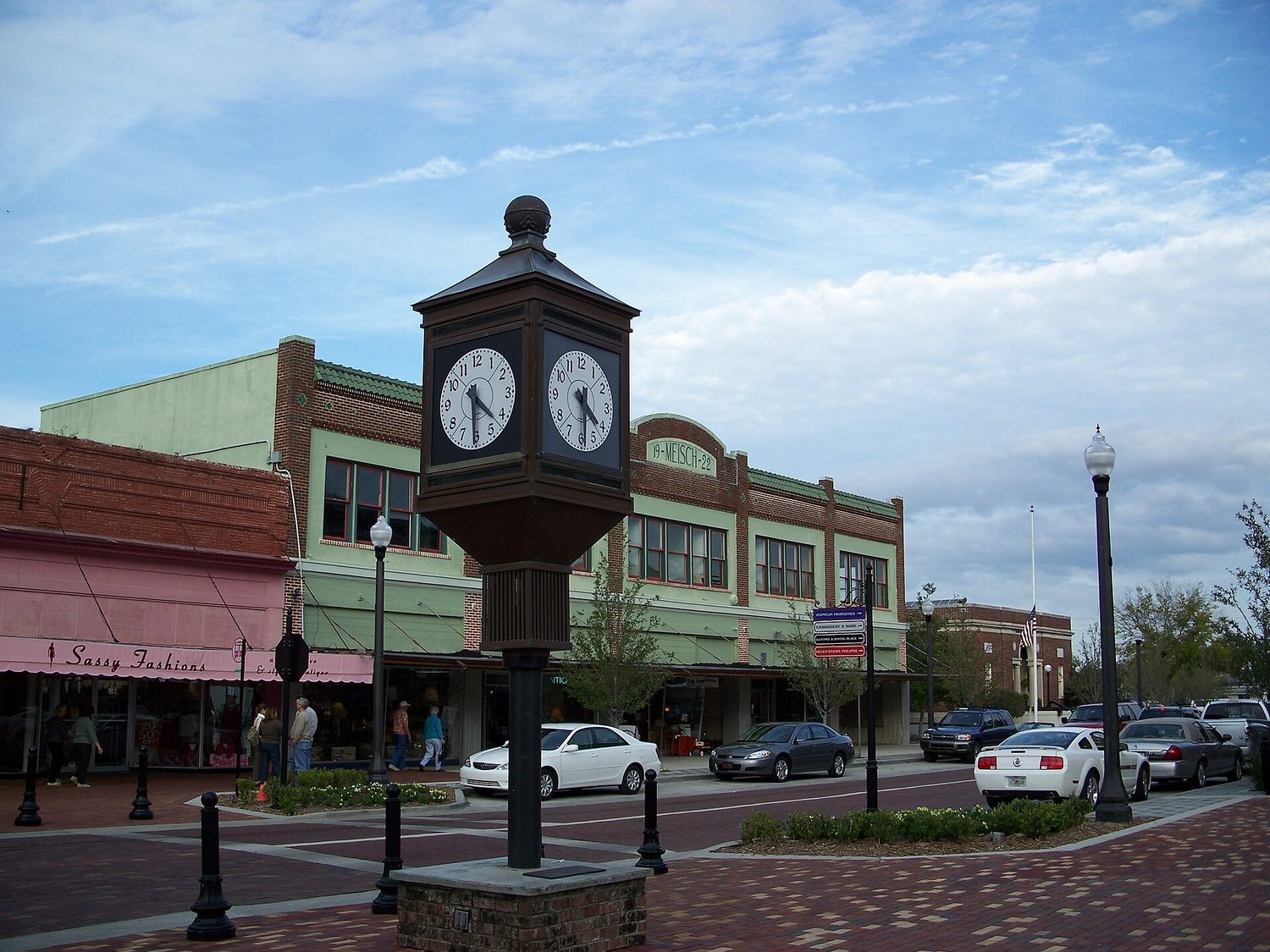
The city has two historic districts. One is downtown, the Commercial Historic District. That is where the brick buildings are, where the train tracks run, where the restaurants and shops fill the old storefronts. The other is Historic Georgetown, the residential district with the porches and the oak trees.
These are not museum pieces. They are lived-in. The census does not measure charm, and we would not trust it to. What the numbers show is density and reuse. A city with 26,069 housing units and two historic districts is a city that did not tear itself down and start over. It kept what worked.
What the Numbers Do Not Say
The census does not tell you about the river. It does not tell you about the way the downtown empties out on a Tuesday afternoon and fills up on a Saturday. It does not tell you about the music.
But the data does tell you this: Sanford is the most city-like town in Seminole County. It has the bones of a real urban place. It has the vacancy to absorb new people. It has the income to support independent businesses. It has the education gap that keeps rents honest.
The 4.5 percent unemployment rate means people are working. The $62,877 median income means they are getting paid. The 269 seasonal units mean they are staying. The 2,047 vacant units mean there is room for more.
Sanford is not a suburb. It is not a resort. It is a city that survived a freeze, shipped vegetables to the nation, and now sits at 62,292 people with a median age of 36.8 and a median home value under $300,000. That is a rare combination in Florida.
The celery is gone. The city is not.
Every business named above is one we hold a listing for, and every date traces to a source on our sources page. We do not describe menus, interiors or service we have not verified. Details change — confirm before you travel.