Guides · Sanford, Florida
What to Know Before Visiting Sanford, FL
Sanford doesn't do quaint. It does riverfront, brick-and-beam, walkable urbanity—the most city-like town in this part of Florida. The freeze of 1894-95 killed the citrus and forced a pivot to celery, which turned Sanford into a shipping powerhouse and gave the place its nickname. That history built a downtown worth your time, not just a highway exit.
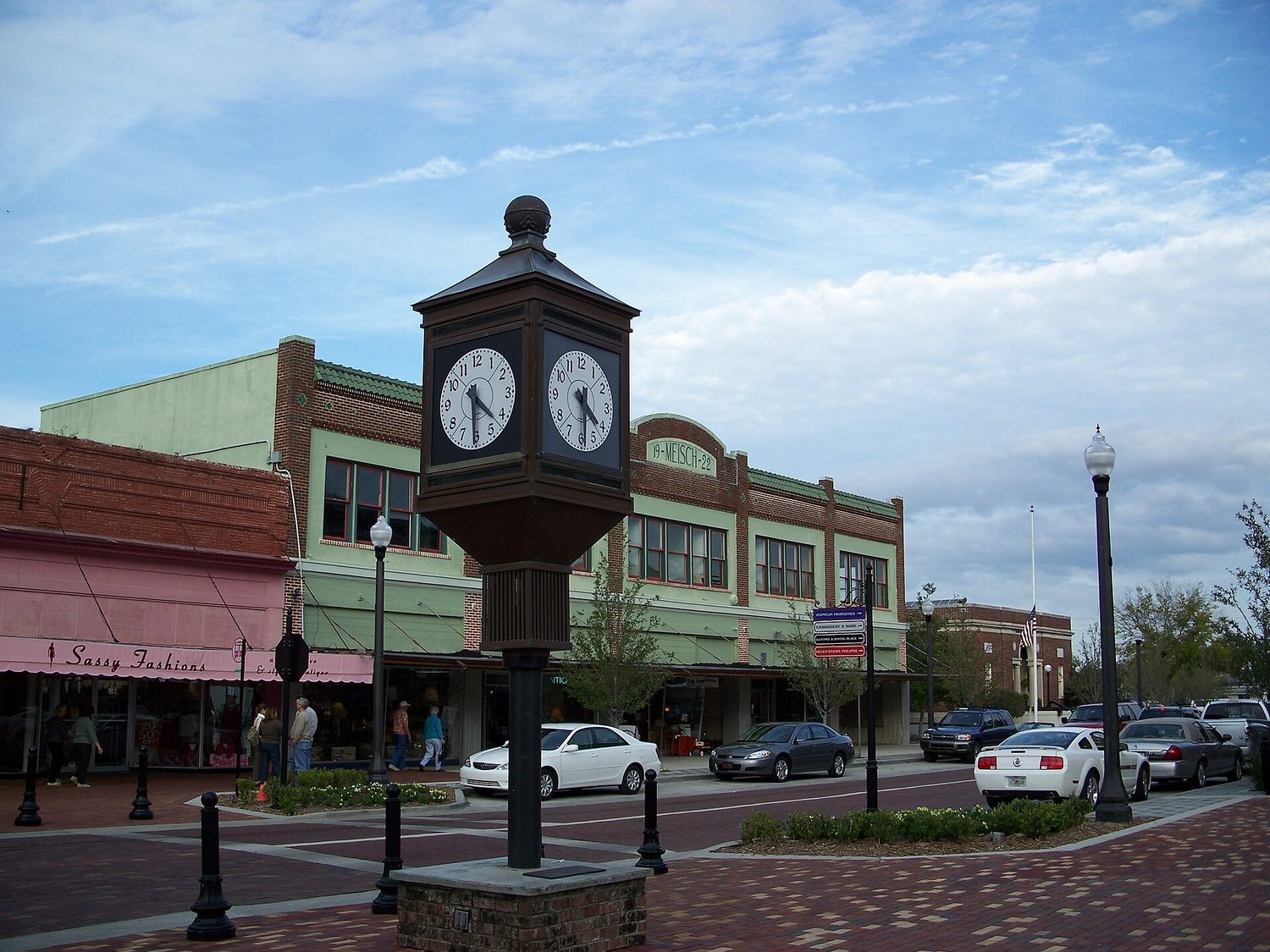
How a Freeze Shaped Sanford's Identity
Henry Shelton Sanford bought the land west of Mellonville in 1870, and by 1877 the city carried his name. But the defining moment came in the winter of 1894-95, when a hard freeze destroyed the entire citrus crop. Growers who stayed switched to vegetables, and within a decade Sanford had become one of the largest vegetable shipping centers in the United States. Celery was the crop that stuck—so much so that the city has been known as the Celery City ever since. That agricultural grit built a real urban core, not a sprawling collection of strip malls.
Downtown Sanford: Start on First Street
The Commercial Historic District in downtown Sanford is the heartbeat of the city, and it's compact enough to handle on foot. First Street is the main drag, where Hollerbach's German Restaurant sits at 201-205 E 1st St with a 4.7 rating from over 11,000 reviews—a legit anchor for the district. A few blocks east, Fort Mellon Park at 600 E 1st St offers riverfront green space with a 4.6 rating from 3,127 reviews. The park's name recalls the US Army post from the Seminole Wars of the 1830s, a layer of history that predates the city itself.
Historic Georgetown & Sanford Porchfest
The Historic Georgetown district is the residential counterpart to the commercial core, and it's where the city's character shows in its houses. The neighborhood is also the stage for Sanford Porchfest, a free grassroots music festival held on the fourth Saturday of February. Bands play simultaneously from porches across the historic residential downtown, and the event is run by a 501(c)(3) that funds youth performing-arts programming and fine-art scholarships. It's a genuinely local affair—not a corporate festival, just a city using its own architecture as the venue.
Where to Eat in Sanford: Local Spots vs. Chains
Downtown Sanford has the local, urban option: St Johns River Steak & Seafood at 550 N Palmetto Ave, rated 4.3 from 3,662 reviews. That's the kind of place that fits the city's riverfront identity. Then there's the other Sanford—the chain corridors along Rinehart Road and the I-4 exits. Keke's Breakfast Cafe at 1401 WP Ball Blvd stands out from that crowd with a 4.9 rating from 9,357 reviews, making it a legitimate local favorite even though it sits in a suburban strip. The rest of the corridor is standard Florida fare: Cheddar's Scratch Kitchen, Bahama Breeze, Texas Roadhouse, Outback Steakhouse, Miller's Ale House, LongHorn Steakhouse, Red Robin Gourmet Burgers and Brews, Sonny's BBQ, Chick-fil-A, Cracker Barrel Old Country Store, and Ichigo Ichie Buffet. Fine if you need a predictable meal, but none of them will tell you anything about Sanford.
Outdoor Things to Do in Sanford: Zoo & Riverfront
The main green spaces deliver more than pocket parks. Central Florida Zoo & Botanical Gardens at 3755 W Seminole Blvd earns a 4.3 rating from 10,752 reviews and gives the city a proper attraction beyond the historic district. Fort Mellon Park handles the waterfront side, with the St. Johns River as the backdrop. Together they give Sanford an outdoors dimension that feels urban—you're not driving to a nature preserve, you're walking from downtown to a riverfront park or hitting the zoo on the west side of town.
Sanford vs. Nearby Towns: Which Is Worth a Visit?
The surrounding towns are fine for a festival day trip—Oviedo (11 miles) has Great Day in the Country, Altamonte Springs (12 miles) has Red Hot & Boom, Mount Dora (25 miles) runs the Arts Festival and Craft Fair, Clermont (36 miles) does Pig on the Pond, and Flagler Beach (48 miles) has First Friday. But none of them offer what Sanford has: a genuine historic core you can park once and explore. The census data backs up the urban profile—62,292 people, a median age of 36.8 years, 26.8 percent with a bachelor's degree or higher, and a median home value of $272,900. This isn't a bedroom community; it's a city with its own gravity.
| Downtown Sanford | Rinehart Road / I-4 Corridor |
|---|---|
| Walkable historic district | Car-dependent strip malls |
| Local anchors like Hollerbach's and St Johns River Steak & Seafood | Chain restaurants with identical menus statewide |
| Riverfront park and festival scene | Standard suburban shopping experience |
| Porchfest and historic residential streets | No civic identity beyond the parking lots |
The answer to what makes Sanford different is the freeze. It killed the citrus, forced the celery, and built a city that had to stand on its own. That's why you come for the downtown, not the exits.
Common questions
- What's Sanford known for?
- Sanford is the Celery City. After the 1894-95 freeze killed the citrus crop, growers switched to vegetables, and by the early 1900s it was a top US vegetable shipping hub. Celery stuck as the namesake. Today it's a walkable, urban-feeling town on Lake Monroe.
- What are the best things to do in Sanford?
- Hit the Central Florida Zoo & Botanical Gardens, rated 4.3 from over 10,000 reviews, or walk Fort Mellon Park along the water. Downtown, the Commercial Historic District is packed with restaurants like Hollerbach's German Restaurant, rated 4.7. Porchfest, a free music festival, happens every February.
- Where should I eat in Sanford?
- Hollerbach's German Restaurant is the standout, rated 4.7 from 11,000+ reviews, right downtown. For breakfast, Keke's Breakfast Cafe hits 4.9. Sonny's BBQ and St Johns River Steak & Seafood are solid too. You've got chains like Bahama Breeze and Texas Roadhouse if you want familiar.
- Is Sanford a good place to live?
- Median home value is $272,900 and median gross rent is $1,496, with a median household income of $62,877. Unemployment is low at 4.5%. About 26.8% hold a bachelor's or higher. It's a practical, connected city feel, not a sleepy suburb.
- What's the history of Sanford?
- Henry Shelton Sanford bought land west of Mellonville in 1870, and the city incorporated in 1877, annexing Mellonville in 1883. During the Seminole Wars, Fort Mellon stood here. The 1894-95 freeze wiped out citrus, but celery made the city's name.
- What events happen in Sanford?
- Sanford Porchfest, a free grassroots music festival, hits the fourth Saturday of February. Bands play from porches across historic downtown, and it funds youth arts programs. It's a real city event, drawing crowds into the walkable streets.
Every business named above is one we hold a listing for, and every date traces to a source on our sources page. We do not describe menus, interiors or service we have not verified. Details change — confirm before you travel.