Guides · Sanford, Florida
Getting to Sanford: A Guide to Florida's Celery City
Sanford feels like a city that knows exactly what it is: a place that got knocked down by a freeze, pivoted hard, and built something denser and more interesting than the citrus groves ever were.
How Sanford Rose from Citrus to Celery City
Henry Shelton Sanford bought the land west of Mellonville in 1870; the city of Sanford was incorporated in 1877 and annexed Mellonville six years later. The name was his, plain and direct. But the identity? That came later, after the winter of 1894-95 wiped out the entire citrus crop. The growers who stayed didn't mourn—they planted vegetables. By the first decade of the twentieth century, Sanford was one of the largest vegetable shipping centres in the United States. Celery made the city's name. Sanford has been known as the Celery City after the crop that succeeded where citrus had failed. That's not a nostalgic nickname; it's a statement about adaptability.
Exploring Sanford's Walkable Historic Districts
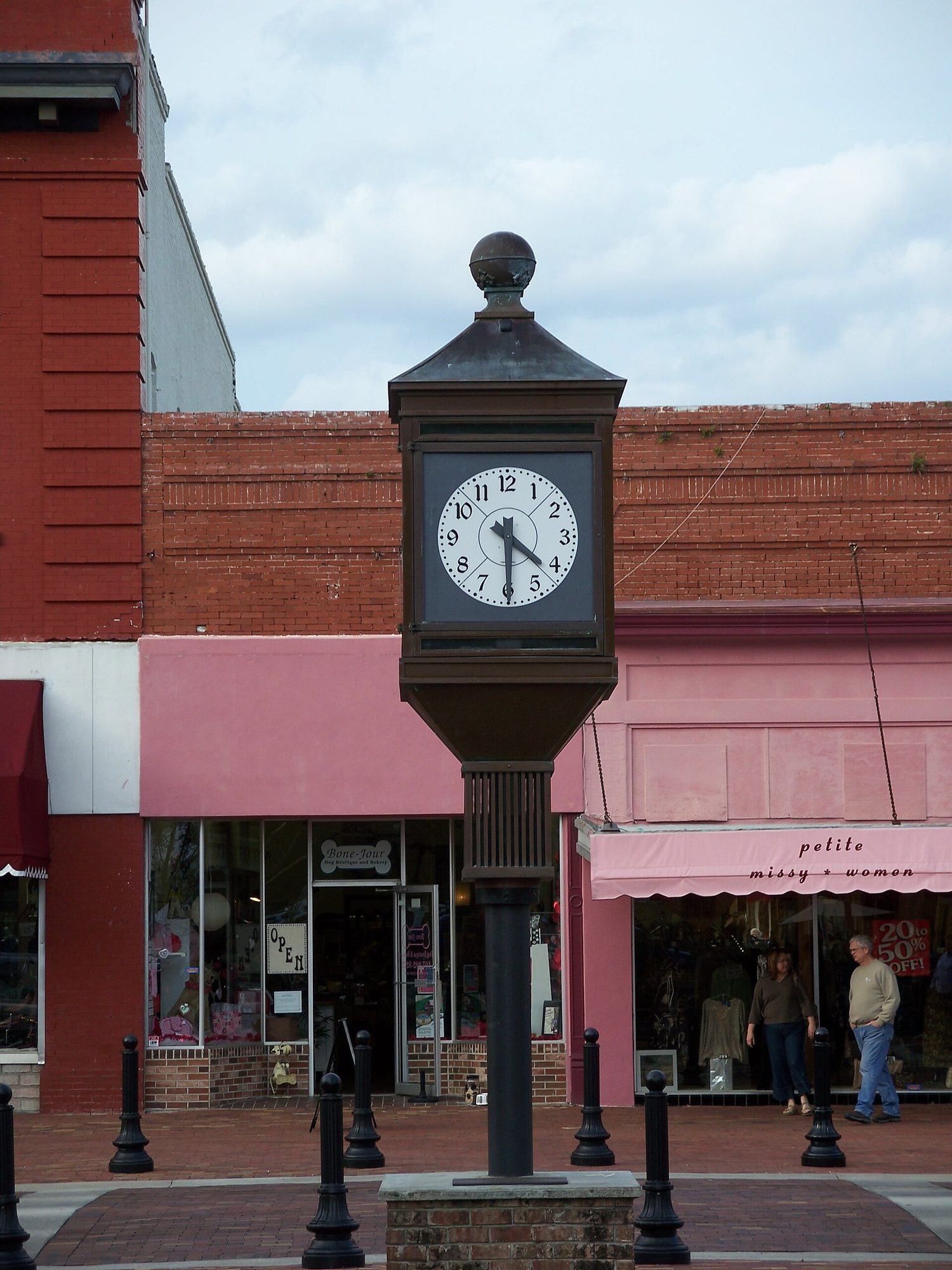
Walkable is the operative word here. The Commercial Historic District in downtown Sanford is the kind of place where you can park once and spend the day on foot—shops, civic buildings, and the kind of street grid that makes sense. It's not a strip mall pretending to be a town square. Then there's Historic Georgetown, one of the city's two historic districts, a residential neighborhood that sits close enough to the core to feel like part of the same organism. Together, they give Sanford a density and a sense of place that most Florida towns simply don't have. You're not driving between attractions; you're moving through a city.
Sanford Porchfest: A Free Music Festival on Front Porches
On the fourth Saturday of February, the city turns its front porches into stages. Sanford Porchfest is a free grassroots music festival where bands play simultaneously from porches across the historic residential downtown. It's run by a 501(c)(3) that funds youth performing-arts programming and fine-art scholarships. It's not a corporate event dropped into town for a weekend; it's the residents themselves, opening up their homes and their streets. That's civic engagement you can hear from a block away.
Sanford Demographics: A Snapshot of a Working City
The census data paints a picture of a stable, year-round community, not a seasonal retreat. Population sits at 62,292, with a median age of 36.8 years. Median household income is $62,877, and the unemployment rate is 4.5 percent. Education levels are solid—26.8 percent of residents hold a bachelor's degree or higher. Housing stock is 26,069 units, but only 269 are held for seasonal or recreational use. Vacancy is low at 2,047 units. Median home value is $272,900; median gross rent is $1,496. These are numbers of people living here, working here, and staying here.
Sanford vs. Nearby Towns: Day-Trip Comparisons
Sanford holds its own against the nearby event towns, but it's not the same kind of place. Oviedo, Mount Dora, and Clermont all have their signature festivals, but they're single-day draws. Sanford's urban core is the attraction, not just the event calendar.
| Town | Drive from Sanford | Signature Event |
|---|---|---|
| Sanford | — | Sanford Porchfest |
| Oviedo | 11 miles | Great Day in the Country |
| Altamonte Springs | 12 miles | Red Hot & Boom |
| Mount Dora | 25 miles | Mount Dora Arts Festival |
| Mount Dora | 25 miles | Mount Dora Craft Fair |
| Clermont | 36 miles | Pig on the Pond |
| Flagler Beach | 48 miles | First Friday |
Sanford's history is the story of a city that refused to be defined by its first failure. The freeze killed the citrus, but it didn't kill the town. It forced a reinvention, and that reinvention—celery, shipping, and a dense urban core—is what you see today. The name is Henry's; the character is all its own.
Common questions
- How did Sanford get its name?
- It's named for Henry Shelton Sanford, who bought the land west of Mellonville in 1870. The city incorporated in 1877 and annexed Mellonville six years later. That's why the name stuck—founder's name, plain and simple.
- Why is Sanford called the Celery City?
- The winter freeze of 1894-95 wiped out the citrus crop. Growers who stayed switched to vegetables, and by the early 1900s Sanford was a top US vegetable shipping hub. Celery became the signature crop, giving the city its nickname.
- What's the population of Sanford?
- Sanford has 62,292 people, with a median age of 36.8. It's a solid mid-size city—not a village. About 26.8% of residents hold a bachelor's degree or higher, and the unemployment rate sits at 4.5%.
- What are the historic districts in Sanford?
- There are two: Historic Georgetown and the Commercial Historic District downtown. Georgetown is residential, while the Commercial district is your downtown core. Both are walkable and worth exploring for the architecture and local vibe.
- Is there a music festival in Sanford?
- Yes—Sanford Porchfest, a free grassroots music festival on the fourth Saturday of February. Bands play simultaneously from porches across the historic residential downtown. It's run by a nonprofit that funds youth performing-arts programs and fine-art scholarships.
- What's the housing market like in Sanford?
- Median home value is $272,900, and median gross rent is $1,496. There are 26,069 housing units total, with 2,047 vacant and only 269 held for seasonal or recreational use. So it's mostly year-round residents, not a vacation rental town.
Every business named above is one we hold a listing for, and every date traces to a source on our sources page. We do not describe menus, interiors or service we have not verified. Details change — confirm before you travel.