Guides · Sanford, Florida
What Is Sanford, Florida Known For? Celery City & More
> [!LOCAL] > Sanford's nickname "Celery City" is a direct result of the 1894-95 freeze — when citrus died, celery saved the economy.
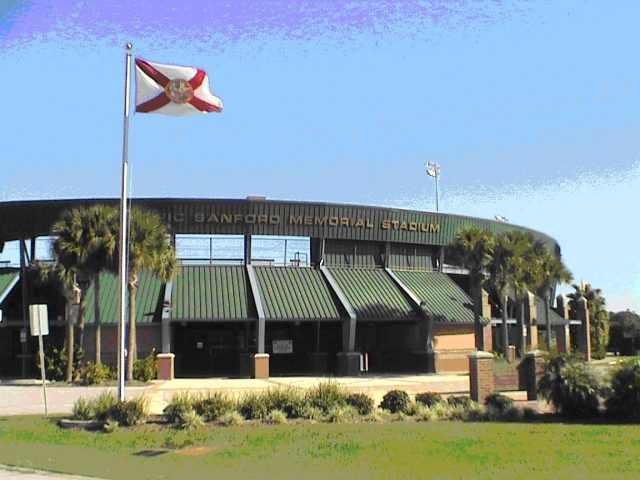
How the 1894–95 Freeze Forced Sanford to Pivot
Henry Shelton Sanford bought the land west of Mellonville in 1870. The city was incorporated in 1877, annexing Mellonville six years later. For the first two decades, citrus was the play. Then came the winter of 1894-95, which destroyed an entire crop and broke the industry's back in this part of Florida.
The growers who stayed didn't mourn — they pivoted. Vegetables took over the fields, and by the first decade of the twentieth century, Sanford had become one of the largest vegetable shipping centres in the United States. This wasn't a slow recovery. It was a deliberate, logistical reset, and it worked.
Why Sanford Is Called the Celery City
Celery was the crop that stuck. It thrived in the same soil that had failed citrus, and it gave the city its lasting name. Sanford has been known as the Celery City ever since — a title earned through a successful agricultural gamble, not nostalgia. The name is a direct response to a disaster, a marker of what happens when a town refuses to fade.
Sanford's Two Historic Districts: A Walkable Urban Grid
Sanford has two historic districts, and both function like actual neighborhoods, not roped-off exhibits. The Commercial Historic District sits downtown, where the original urban grid still holds — storefronts, sidewalks, and a density that makes walking the default mode. Historic Georgetown, the other district, is residential and equally walkable, with a layout that predates sprawl.
These districts aren't preserved for tourists to snap photos of. They're lived-in, with people going about daily business in buildings that have been standing for over a century. That's the difference between Sanford and a lot of Florida's "historic" towns: the history here is load-bearing, not decorative.
Porchfest: Free Music on Sanford's Historic Front Porches
The best proof that Sanford's downtown works is Sanford Porchfest, a free grassroots music festival held on the fourth Saturday of February. Bands play simultaneously from the porches of houses across the historic residential downtown — no stages, no barriers, just neighborhoods opening up.
It's run by a 501(c)(3) that funds youth performing-arts programming and fine-art scholarships. So the event isn't just a party; it's a civic investment. Porchfest shows what a real downtown can do: draw people into the streets, support young artists, and make the historic districts feel alive.
Sanford's Population and Housing Stats at a Glance
The census data paints a picture of stability. Sanford's population sits at 62,292, with a median age of 36.8 — young enough to stay dynamic, old enough to have roots. Median household income is $62,877, and the unemployment rate is 4.5 percent, both reasonable for a mid-sized Florida city.
| Metric | Value |
|---|---|
| Total housing units | 26,069 |
| Vacant housing units | 2,047 |
| Seasonal/recreational homes | 269 |
| Median home value | $272,900 |
| Median gross rent | $1,496 |
| Bachelor's degree or higher | 26.8% |
The telling number is the seasonal homes: just 269 out of 26,069 units. In a state full of vacation towns, Sanford is a place where people actually live, not weekend retreats. Vacancy is low relative to total units, and the housing stock — both owned and rented — is occupied by year-round residents. The vacancy rate of under 8 percent and the tiny seasonal share suggest a functioning, permanent city, not a resort disguised as one.
Sanford as a Basecamp, Not a Bedroom
Sanford is the most city-like town in this part of Florida. It has a denser grid, a working downtown, and a history of economic reinvention. Nearby towns have their charms, but they lean on events rather than daily urbanity. Here's how they stack up:
| Town | Signature Event / Claim |
|---|---|
| Sanford | Sanford Porchfest (free February music festival on residential porches) |
| Oviedo (11 miles) | Great Day in the Country |
| Altamonte Springs (12 miles) | Red Hot & Boom |
| Mount Dora (25 miles) | Mount Dora Arts Festival, Mount Dora Craft Fair |
| Clermont (36 miles) | Pig on the Pond |
| Flagler Beach (48 miles) | First Friday |
Oviedo and Altamonte Springs are closer, but they're primarily residential and commercial sprawl. Mount Dora draws crowds for its arts festival and craft fair, yet it's a smaller, more tourist-oriented scene. Clermont's Pig on the Pond is a community cook-off, and Flagler Beach's First Friday is a coastal street party.
Sanford doesn't need a calendar gimmick to feel like a city. Its grid, its two historic districts, and its year-round population do that work. The events — Porchfest chief among them — are bonuses, not the reason to be there. If you want a basecamp for exploring central Florida without feeling like you're parked in a subdivision, Sanford is the move. It's the original urban reset, and it's still holding.
Common questions
- What is Sanford known for?
- Sanford is known as the Celery City. After the 1894-95 freeze killed the citrus crop, growers switched to vegetables, and by the early 1900s Sanford became one of the largest vegetable shipping centers in the U.S., with celery making its name.
- Is Sanford a walkable city?
- Yes, Sanford is the most city-like town in the area, with a walkable downtown. The Commercial Historic District and Historic Georgetown offer dense, pedestrian-friendly streets, unlike the spread-out suburbs nearby.
- What is Sanford's history?
- Henry Shelton Sanford bought the land in 1870, and the city incorporated in 1877, annexing Mellonville six years later. During the 1830s Seminole Wars, the area was Fort Mellon. The name comes from its founder.
- What is Sanford Porchfest?
- It's a free grassroots music festival on the fourth Saturday of February. Bands play simultaneously from porches across historic residential downtown. It's run by a 501(c)(3) that funds youth performing-arts programs and fine-art scholarships.
- What are Sanford's demographics?
- Sanford has 62,292 people with a median age of 36.8. The median household income is $62,877, and 26.8% hold a bachelor's degree or higher. The unemployment rate is 4.5%.
- What is the housing market like in Sanford?
- Median home value is $272,900, and median gross rent is $1,496. There are 26,069 housing units, with 2,047 vacant and only 269 for seasonal or recreational use—so it's mostly year-round residents.
Every business named above is one we hold a listing for, and every date traces to a source on our sources page. We do not describe menus, interiors or service we have not verified. Details change — confirm before you travel.