Guides · Sanford, Florida
Sanford Florida Weather by Season: A Local Guide
Sanford’s weather isn’t scenery—it’s the plot. A single winter freeze erased an industry. The seasons have been writing the city’s identity ever since.
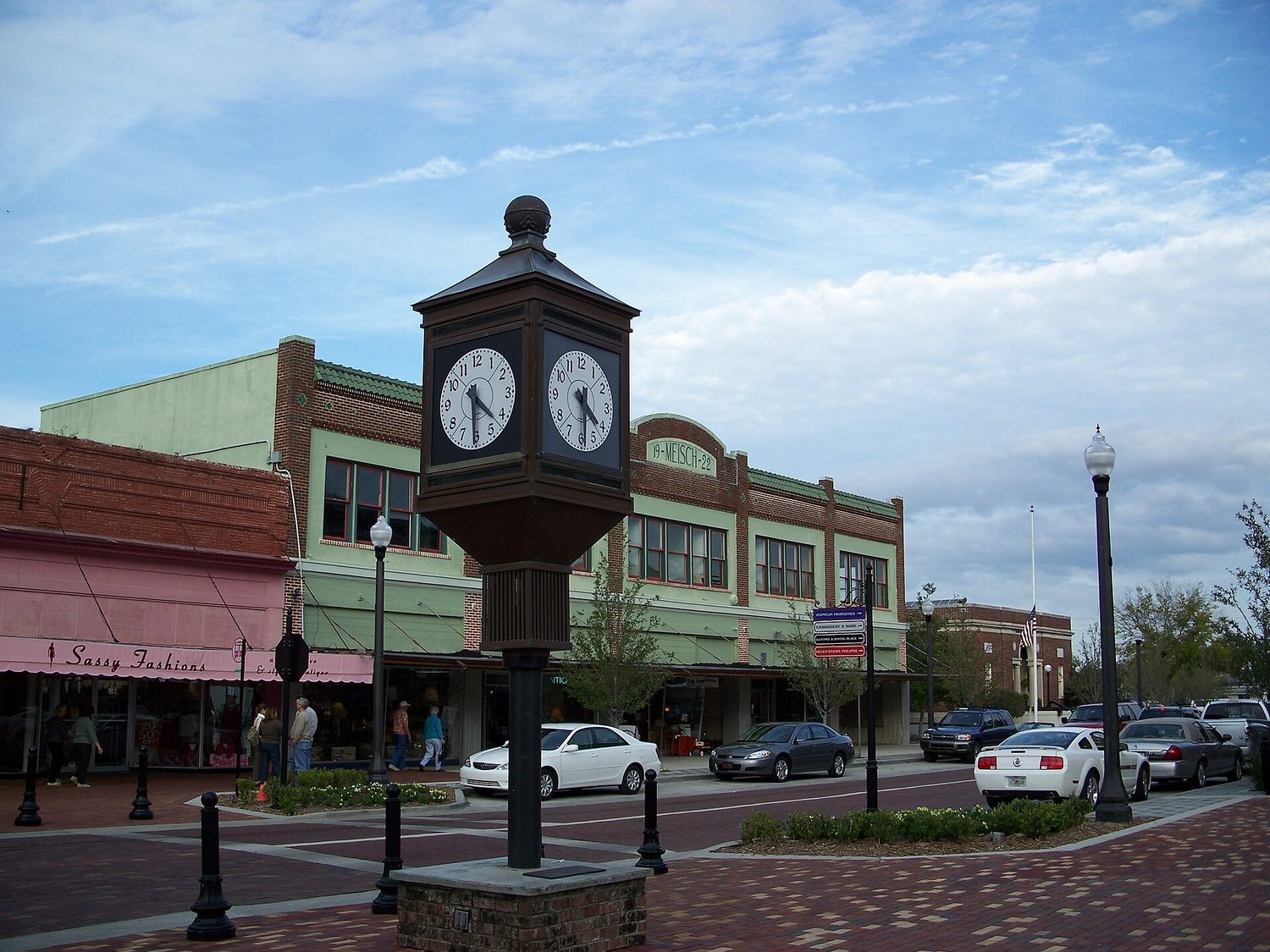
The Freeze That Rewrote the Map
In the winter of 1894-95, a hard freeze destroyed an entire citrus crop across Central Florida. Sanford’s growers faced a choice: leave or adapt. Those who stayed turned to vegetables. By the first decade of the twentieth century, the city had become one of the largest vegetable shipping centres in the United States. The crop that stuck was celery—so thoroughly that Sanford has been known as the Celery City ever since. The freeze didn’t just kill fruit. It renamed a town.
Spring in Sanford: Mild Weather and Porchfest
Spring in Sanford is the payoff for surviving summer. Mild temperatures and low humidity make the historic residential downtown usable in a way that feels almost architectural. The fourth Saturday of February, Sanford Porchfest turns that outdoor living into a citywide event: a free grassroots music festival where bands play simultaneously from porches across the historic district. Run by a 501(c)(3) that funds youth performing-arts programming and fine-art scholarships, it’s the unofficial start of spring—and the weather usually cooperates.
Sanford Summer Weather: Heat, Humidity, and Daily Storms
Summer in Sanford isn’t just hot—it’s wet. Afternoon thunderstorms roll in almost daily, dropping rain that evaporates into a heat index that makes the actual temperature feel like a threat. Locals plan around it: mornings for errands, evenings for walks, afternoons for anything with a roof. The storms are brief but relentless. They’re the reason the city’s rhythm shifts so noticeably between seasons.
Fall in Sanford: The Best Season for Walking Around
Fall is when Sanford becomes walkable again. The humidity drops, the rain backs off, and the Commercial Historic District and Historic Georgetown—the city’s two historic districts—turn into the best months for strolling. This is the season that makes the city’s urban layout make sense: wide sidewalks, storefronts, and streets that reward being outside. It’s the closest the calendar gets to a perfect recommendation.
Sanford Winter Weather: Mild but Freeze Risk Remains
Winter in Sanford is mild—but it’s never safe. The 1894-95 freeze is the ghost in the forecast: temperatures can dip low enough to threaten crops, and the city’s entire agricultural history is a reminder that a single cold snap can rewrite an economy. Snow is rare and not part of the normal pattern, but freezes are a real, recurring risk. For residents, winter is a season of short sleeves and long memory.
Sanford Weather and Demographics: What the Data Shows
The census figures match the weather’s influence. The median age is 36.8 years—young enough to fill Porchfest porches, old enough to remember the last bad freeze. Of 26,069 housing units, only 269 are held for seasonal or recreational use, so this is a city of year-rounders, not snowbirds. The median home value is $272,900, with a median gross rent of $1,496, and the median household income sits at $62,877. The unemployment rate is 4.5 percent, and 26.8 percent of residents hold a bachelor’s degree or higher. Of the housing stock, 2,047 units are vacant—space that the weather, not the market, will ultimately fill.
| Season | What to Expect |
|---|---|
| Spring | Mild days, low humidity, Porchfest in late February; the city’s social calendar wakes up |
| Summer | High heat index, near-daily afternoon thunderstorms; plan around mornings and evenings |
| Fall | Dropping humidity, cooler nights; the best season for walking downtown and Georgetown |
| Winter | Mild but variable; freeze risk is real, snow is not; the ghost of 1894-95 still lingers |
The best time to visit Sanford is fall, when the city cools down enough to feel like itself again. Summer is humid and stormy, winter is mild but risky, and spring is pleasant but short. The history is weather, the identity is weather, and the city’s best months are the ones that let you forget it.
Sanford’s history is written in frost and rain—celery grew where citrus died, and the seasons still set the schedule.
Common questions
- When is the best time to visit Sanford?
- Spring and fall are ideal—mild temps, low humidity, and fewer crowds. Winters can dip cold enough to kill citrus, as history shows, but summers are hot and humid. Check local event calendars for Porchfest in late February.
- What's Sanford's weather like in summer?
- Summers are hot and humid, typical of Central Florida, with afternoon thunderstorms almost daily. Temperatures often reach the 90s. It's the wettest season, so pack rain gear and plan indoor activities for afternoons.
- Does it snow in Sanford?
- Snow is extremely rare. The 1894-95 freeze destroyed citrus crops, but that was a hard freeze, not snow. Winters are mild, with occasional frost. You'll see more sunny days than flurries.
- What is Sanford's weather like in winter?
- Winters are mild and dry, with highs in the 60s and 70s and lows in the 40s. Perfect for outdoor exploring. The historic freeze of 1894-95 is a reminder that cold snaps happen, but they're brief.
- Is Sanford humid in the summer?
- Yes, very. Humidity is high from June through September, making it feel hotter than the actual temperature. The afternoon thunderstorms bring relief but also heavy rain. Stay hydrated and seek shade.
- What's the best season for outdoor activities in Sanford?
- Spring (March-May) and fall (October-November) offer the most comfortable weather—low humidity, mild temps, and less rain. Perfect for walking historic districts or attending Porchfest. Summer is too hot, winter can be chilly.
Every business named above is one we hold a listing for, and every date traces to a source on our sources page. We do not describe menus, interiors or service we have not verified. Details change — confirm before you travel.