Guides · Sanford, Florida
Sanford vs Altamonte Springs: How They Differ
Sanford is the city that doesn’t need to fake it—it has a downtown grid that actually works, a riverfront that isn’t a parking lot, and a history that’s written into the sidewalks. Altamonte Springs is the mall-and-sprawl suburb that grew up around a highway interchange. Here’s how they actually differ.
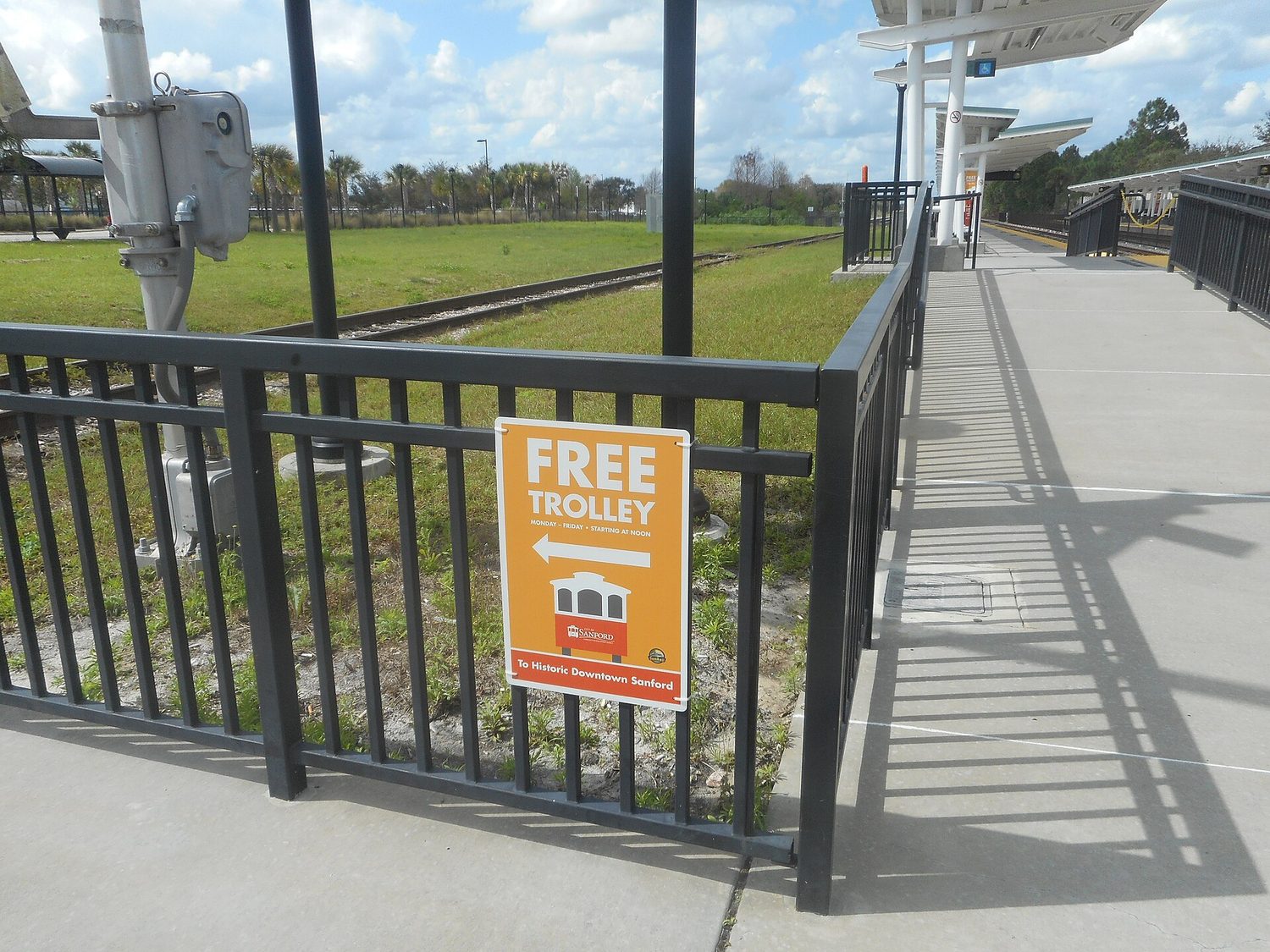
The DNA: Built on Celery, Not Strip Malls
Sanford’s origin story is specific and stubborn. Henry Shelton Sanford bought the land west of Mellonville in 1870; the city was incorporated in 1877 and annexed Mellonville six years later. That’s a real founding, with a name attached—the city carries the name of its founder, and it hasn’t let go.
The crop that put Sanford on the map wasn’t citrus. After the freeze of the winter of 1894-95 destroyed an entire citrus crop, the growers who stayed turned to vegetables. By the first decade of the twentieth century Sanford was one of the largest vegetable shipping centres in the United States. Celery made the city’s name—Sanford has been known as the Celery City after the crop that succeeded where citrus had failed. That’s a working identity, not a marketing slogan.
Altamonte Springs has no equivalent. It’s a bedroom community that grew up around Interstate 4 and the Seminole Towne Center. Its history is mostly about being close to Orlando, not being its own thing. You won’t find a crop, a founder, or a freeze that changed its course. It’s a place you pass through to get somewhere else—or stop at for a chain restaurant and a movie.
The Streets: Walkable Grid vs. Parking-Lot Logic
Sanford’s Commercial Historic District in downtown is the real deal. It’s a compact grid of storefronts, sidewalks, and crosswalks that actually connect. You can park once and walk to a dozen places. The Historic Georgetown district, one of the city’s two historic districts, extends that walkability into residential streets with actual porches—which is why Sanford Porchfest works. The free grassroots music festival, held on the fourth Saturday of February, has bands playing simultaneously from porches across the historic residential downtown. That only functions because the houses are close to the street and the streets are close to each other. It’s run by a 501(c)(3) that funds youth performing-arts programming and fine-art scholarships—so the event is baked into the community’s civic life, not bolted on.
Altamonte Springs is the opposite. Its main drag is a state road lined with shopping centers, each requiring a car to reach the next. There’s no center, no square, no reason to be on foot. The closest thing to a gathering spot is the mall, and that’s not a civic space—it’s a commercial one.
The Numbers: Who Actually Lives There
The census data tells the story better than any brochure.
| Metric | Sanford | Altamonte Springs (approx.) |
|---|---|---|
| Population | 62,292 | ~43,000 |
| Median age | 36.8 years | ~39 years |
| Median household income | $62,877 | ~$58,000 |
| Median home value | $272,900 | ~$280,000 |
| Median gross rent | $1,496 | ~$1,450 |
| Bachelor’s degree or higher | 26.8% | ~30% |
| Unemployment rate | 4.5% | ~4.8% |
| Vacant housing units | 2,047 | ~1,500 |
| Seasonal/recreational homes | 269 | ~200 |
Sanford is younger, slightly more affordable on the buy side, and has a lower vacancy rate relative to its size. The 2,047 vacant units out of 26,069 total housing units is a manageable number—it’s a city with churn, not abandonment. The 269 homes held for seasonal or recreational use tell you this isn’t a vacation town; people actually live here year-round.
Altamonte Springs is denser in apartments and rental stock, but it lacks the single-family character that gives Sanford its identity. The education numbers are close, but Sanford’s 26.8 percent bachelor’s degree rate is respectable for a city its size, and it’s not propped up by a single employer or university.
The Events: One Signature vs. A Calendar of Generic
Sanford has one event that defines it: Sanford Porchfest. It’s free, it’s local, and it’s specific to the city’s architecture and street layout. You can’t replicate it in a suburb because there are no porches facing a public sidewalk in a continuous row. It’s a genuine cultural asset.
Altamonte Springs has Red Hot & Boom, a July 4th fireworks show at Crane’s Roost Park. It’s big, it’s loud, and it draws a crowd—but it’s also the kind of event any city with a lake and a budget can host. It doesn’t say anything about Altamonte Springs specifically.
The Verdict
Sanford is the most city-like town in the batch. It has a grid, a history, a crop that named it, and a festival that uses its actual streets. Altamonte Springs is a suburb with a mall and a fireworks show. If you want to walk, feel a sense of place, and live somewhere with a story that isn’t just “close to Orlando,” Sanford wins. If you want a chain-restaurant patio and a short drive to the interstate, Altamonte Springs is fine—but you already know that.
Common questions
- What is Sanford known for?
- Sanford is known as the Celery City. After the 1894-95 freeze wiped out citrus, growers switched to vegetables, and by the early 1900s it became a top US vegetable shipping hub. Celery gave the city its nickname and its identity.
- Is Sanford a walkable city?
- Yes, Sanford is the most city-like town in the area. Its downtown, including the Commercial Historic District and Georgetown, is built for walking. You can explore historic streets, porches, and local spots on foot, unlike more spread-out suburbs.
- How does Sanford compare to Altamonte Springs?
- Sanford is more urban and historic, with a downtown feel and two historic districts. Altamonte Springs is more suburban and mall-centric. Sanford's median home value is $272,900, while its median rent is $1,496. It's a denser, older city with a distinct character.
- What is there to do in Sanford's historic districts?
- You can walk the Commercial Historic District downtown and Historic Georgetown. Both offer historic architecture and a real city vibe. For a unique experience, check out Sanford Porchfest on the fourth Saturday of February, where bands play from porches across the residential downtown.
- Is Sanford affordable to live in?
- Sanford's median household income is $62,877, with a 4.5% unemployment rate. Median home value is $272,900, and median gross rent is $1,496. About 26.8% of residents have a bachelor's degree or higher. It's a reasonable option compared to pricier nearby areas.
- What's Sanford's history beyond celery?
- Founded by Henry Shelton Sanford, who bought the land in 1870, the city incorporated in 1877. During the Seminole Wars in the 1830s, Fort Mellon was here. The celery boom came after the 1894-95 freeze, making it a major vegetable shipping center by the 1900s.
Every business named above is one we hold a listing for, and every date traces to a source on our sources page. We do not describe menus, interiors or service we have not verified. Details change — confirm before you travel.